
I didn’t plan to become a Pinterest strategist. I just wanted to understand how it works
Pinterest wasn’t part of my original plan. I found it while building my own print-on-demand business, and in the beginning I treated it like just another social platform. Once I understood that Pinterest works more like a search engine, everything started to make sense.
That shift eventually became Femme Mediale. Today, I help small businesses understand Pinterest properly, use it with more structure and confidence, and stop wasting time on things that don’t really help their business.
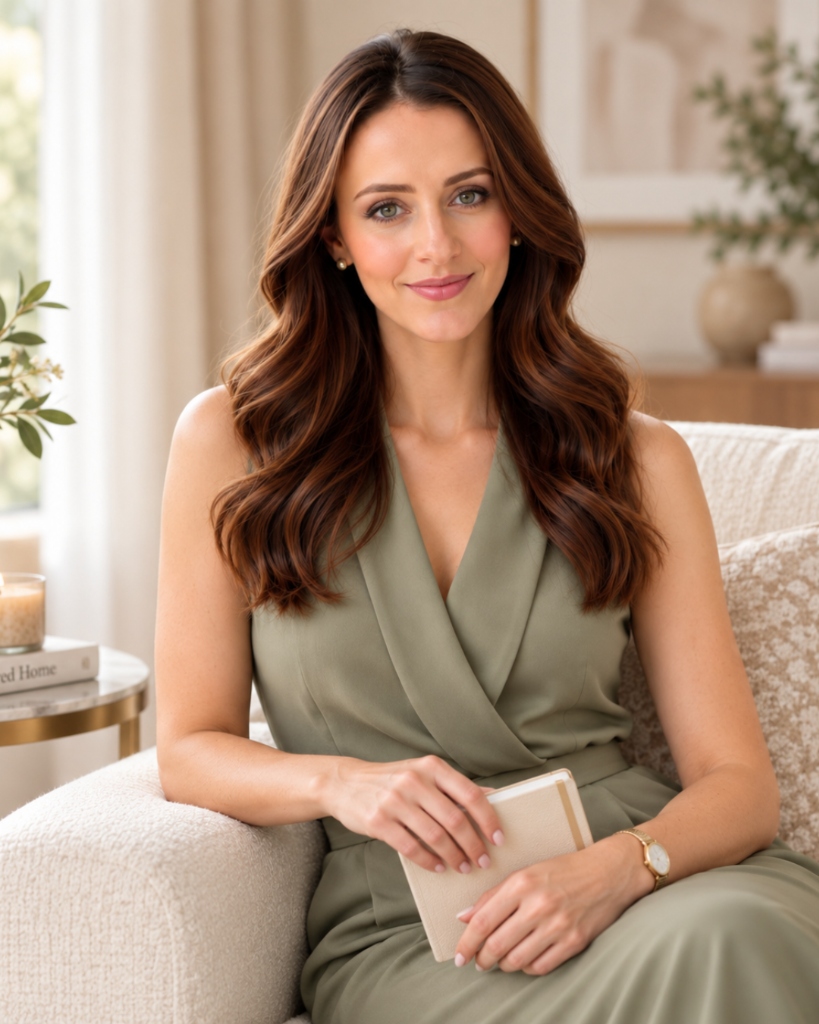
Before Pinterest, there was a very different kind of work
Before I ever thought about marketing, I had spent 18 years working in healthcare and later completed a Master’s degree in Nursing Management. During the pandemic, I worked for the German government at a public health department, where I led a team of up to 30 people and helped organize, structure and improve processes behind the scenes.
When things slowly started to calm down, I realized I was ready for a new challenge. I had spent years working in environments where structure, responsibility and good processes really mattered. What I wanted next was something that gave me more room for creativity as well.
That search is what eventually led me into marketing.
I didn’t leave structure behind when I moved into marketing. I just found a more creative place to use it.
It started with a few very questionable Pins
In early 2022, I started a print-on-demand brand called Fantastic Nonsense and began selling my designs on platforms like Redbubble, Society6 and Zazzle. I quickly learned that simply uploading products wasn’t enough. If I wanted people to find them, I had to learn how to market them too.
Like most beginners, I started with Instagram and Pinterest without really knowing what I was doing. I pinned products directly from the shop pages, wrote titles and descriptions, and only later realized that the platforms were replacing them with their own versions anyway. SEO? Keyword research? Definitely not yet.
Everything changed when I understood one simple thing: Pinterest wasn’t just another social media platform. It was a search engine.
From there, I started learning everything I could through tutorials, testing things on my own account and publishing around 5 Pins a day. About 4 months in, the account had reached more than 500K monthly views, along with saves and outbound clicks. For someone who still felt like a complete beginner, that was a pretty big moment.
Once Pinterest started making sense, I couldn’t stop asking why
The more I understood, the more I wanted to know
What pulled me in wasn’t just the traffic. It was the fact that Pinterest made me think differently about content. Instead of asking how often I needed to post or how much time I had to spend engaging, I started asking better questions: What problem are they trying to solve? And how can I make my content easier to find?
That was the part I couldn’t let go of. Keywords, search behavior, content formats, seasonality, boards, clicks, saves, old Pins suddenly picking up again months later. The deeper I went, the more I wanted to understand how all of it connected.
- 01Keywords
- 02Search behavior
- 03Content formats
- 04Seasonality
- 05Boards
- 06Clicks
- 07Saves
Pinterest felt different
And there was another reason Pinterest stuck with me. After years of working in a high-pressure environment, I had no interest in building a business around another system that needed my attention every single day. Social media can quickly turn into a full-time job on its own.
I could create useful content, structure it properly, publish it and then get back to working on my business. I didn’t have to spend hours every day trying to stay visible.
Good content should keep working even when you’re not online
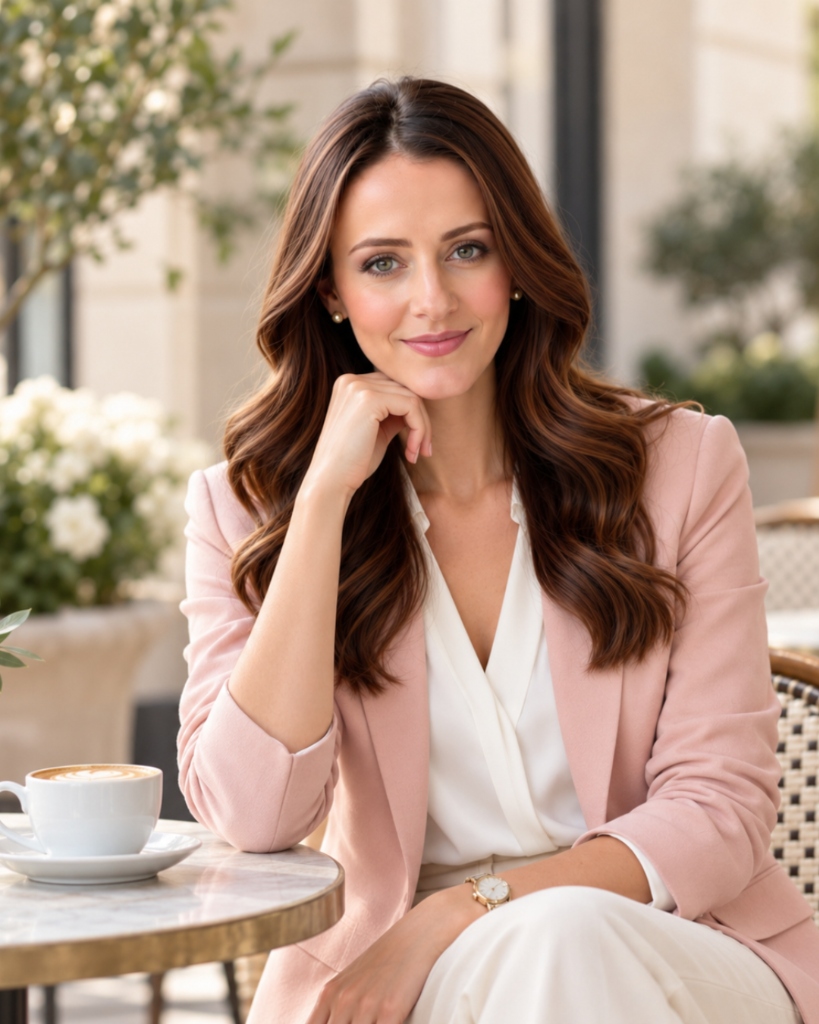
That curiosity eventually became my work
By summer 2022, I knew I wanted to take marketing more seriously, so I started studying marketing alongside everything I was already doing. It gave me the chance to bring together two things I had always enjoyed: creativity and structure.
Around the same time, I started using Pinterest for my service-based business too. A home decor or fine art brand is naturally visual. Services are a little less obvious. That challenge made Pinterest even more interesting to me, because it showed me how much more there was to understand beyond beautiful products and pretty Pins.
Femme Mediale grew out of that process
I like creativity, but I work best with a plan
Pinterest might be a creative platform, but my own process is anything but random. I plan content around clear pillars, map things out in advance and keep everything organized so I’m not deciding from scratch every single day.
That structure gives me more room to focus on the part I actually enjoy: understanding what people are searching for, creating useful content and testing what works.
Plan ahead
I usually work a month in advance instead of reacting day by day.
Follow the content pillars
Every Pin should have a reason to exist and fit into the bigger picture.
Keep the system simple
If a workflow becomes too complicated to maintain, it’s not a good workflow.
Clear, organized and probably asking one more question
I like things to make sense. That means clear communication, a structured process and enough context to understand why we’re doing something, not just what needs to be done.
I’m also the person who will usually look one step further. If something feels off, I want to know why. If a strategy works, I want to understand what made it work. And if there’s a better way to organize the process, I’ll probably find it.
Clear communication
You’ll always know what we’re working on, why it matters and what happens next.
Thoughtful strategy
I don’t like generic advice. I’d rather look at the details and figure out what actually makes sense for your business.
Structured process
I plan ahead, keep things organized and try to make the work feel straightforward rather than overwhelming.